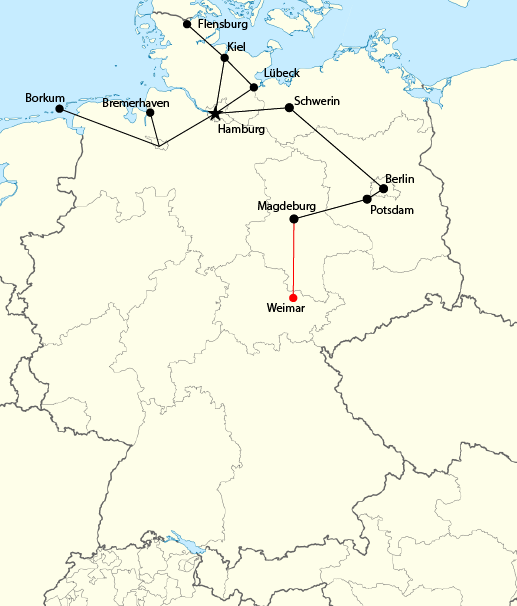
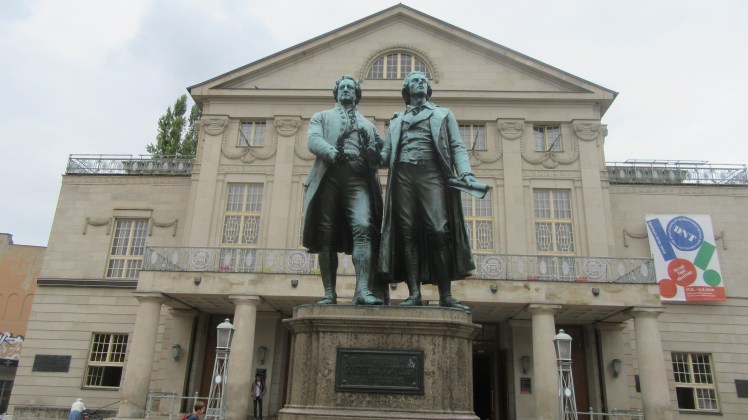
A new day a new city, this time to the historic town of Weimar, formerly the capital of the state of Thuringia. Some may know it as the city where articles were signed after World War 1, reorganizing Germany as the Weimar Republic. But it’s really not that. Even though it is. Much like the city of Liverpool completely revolves around The Beatles, Weimar culture completely revolves around the famous author and poet Johann Wolfgang von Goethe, considered to be the Shakespeare of Germany. Famous for works such as the story of Faust and his bargain with the devil. He’s really done a heck of a lot more than that, you can Wikipedia him as well. He also became friends with the other Weimar author Johann Christoph Friedrich von Schiller, and is also very well known and commonly mentioned around Weimar. It’s also were artists and architects such as Wassily Kandisnky, and Paul Klee lived and worked, and where Walter Gropius began the Bauhaus movement. It’s a very important cultural city in Germany.
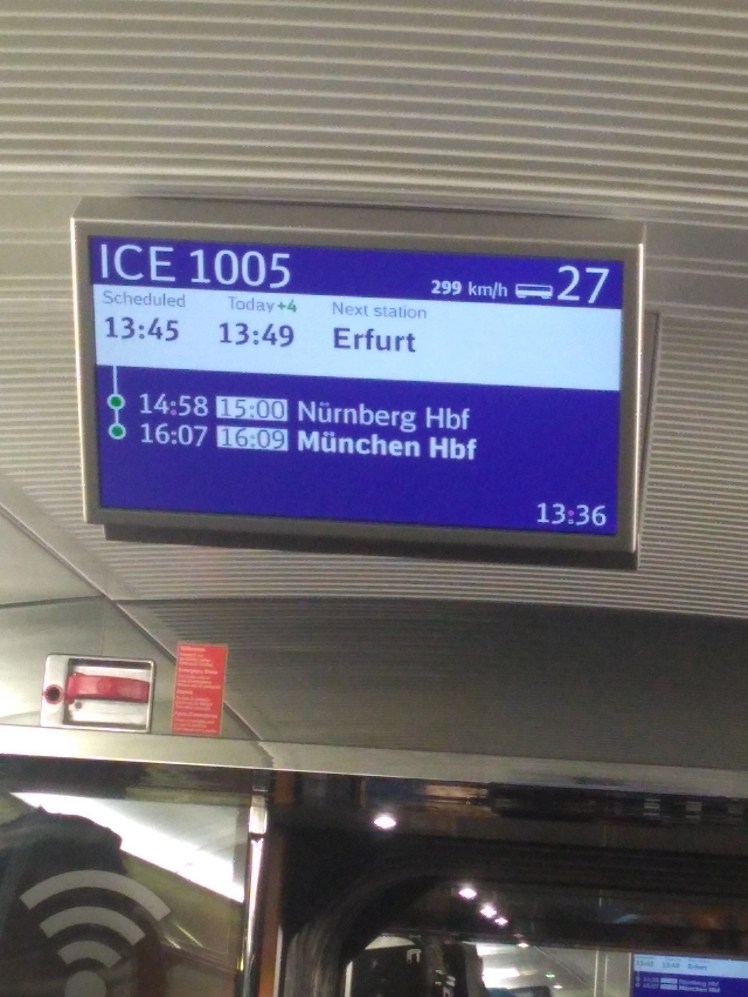
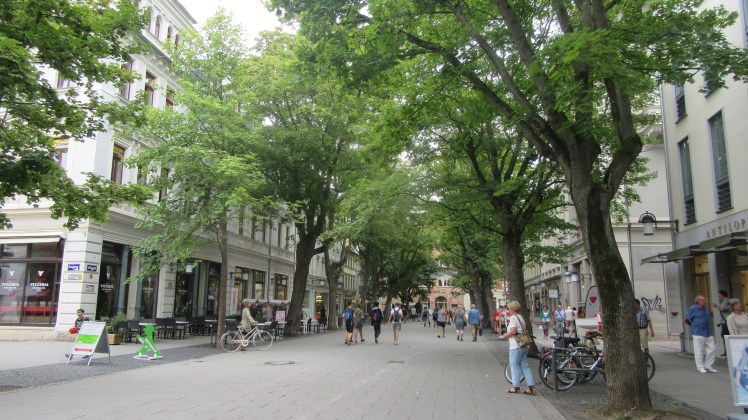
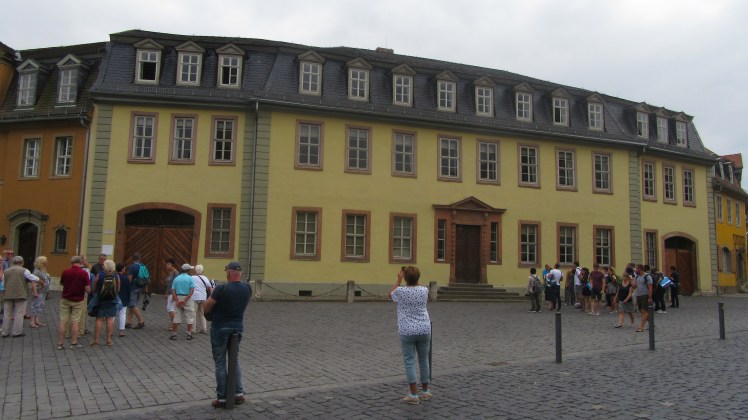
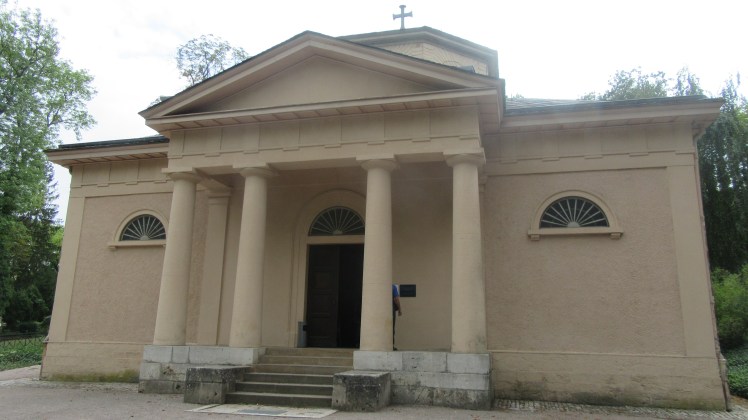
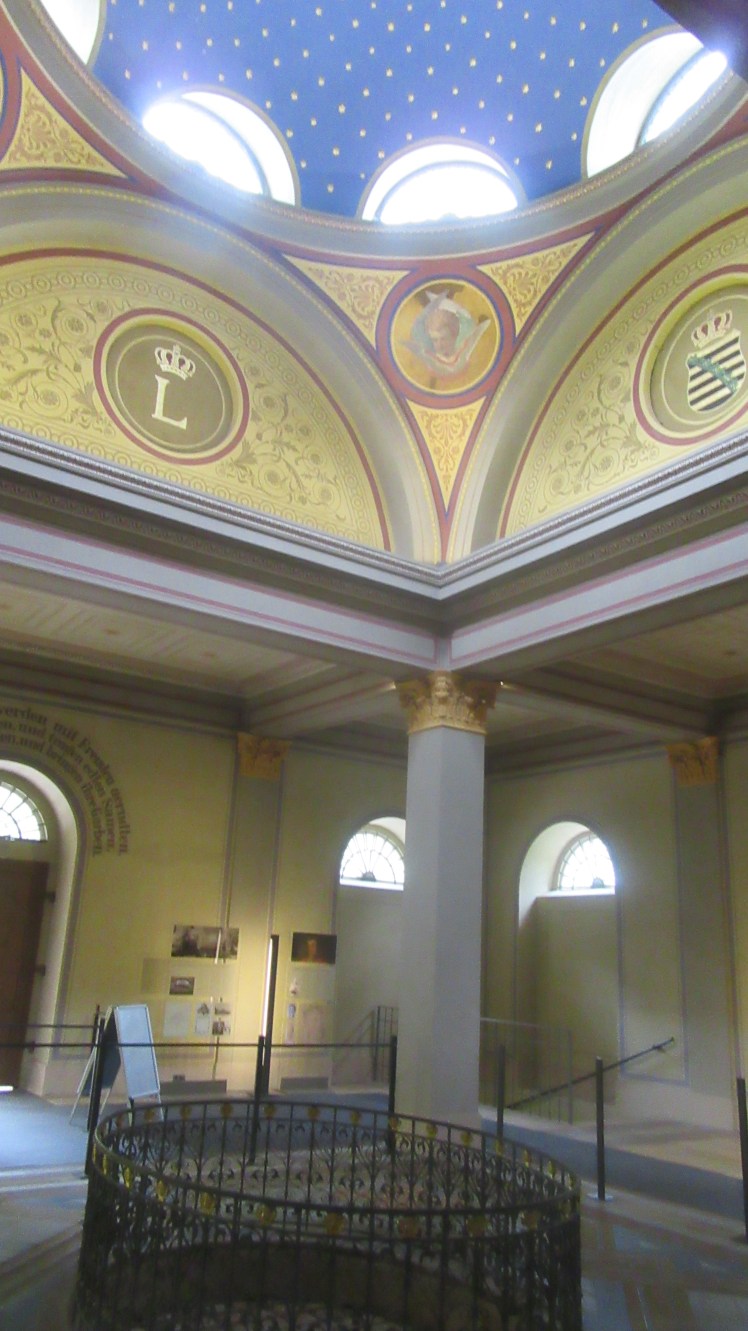
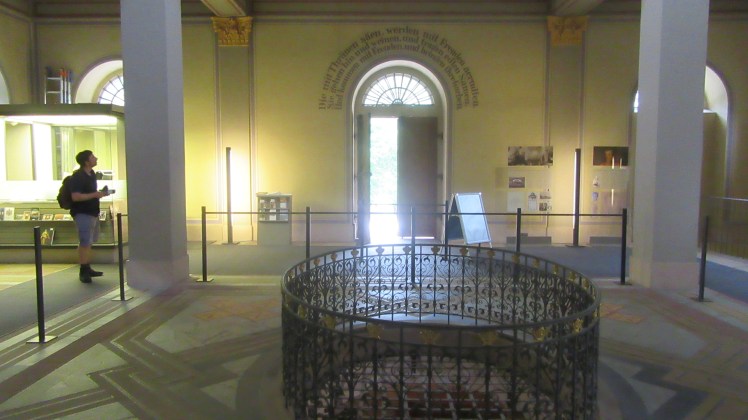
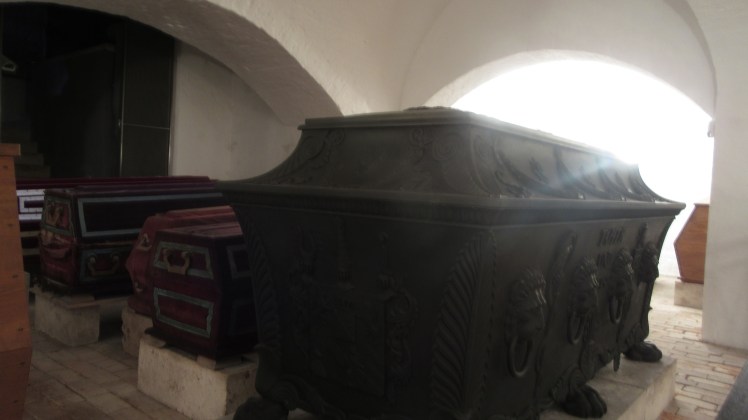
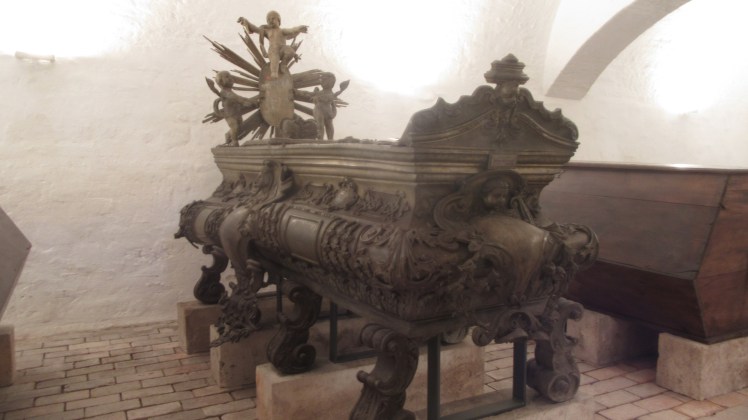
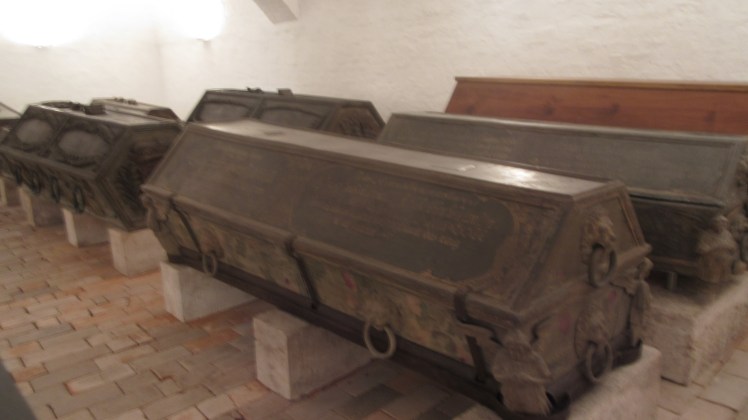
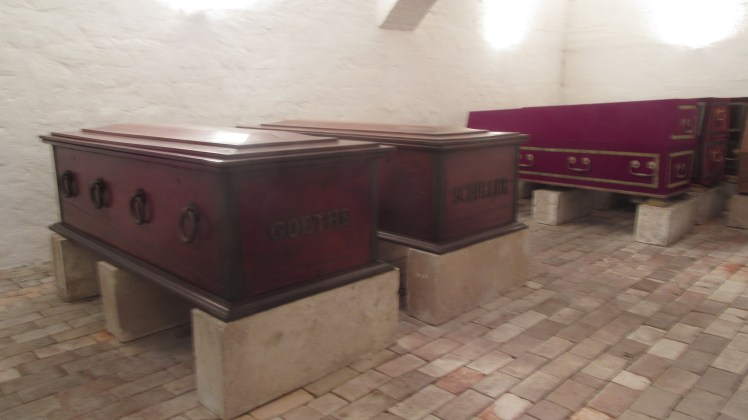
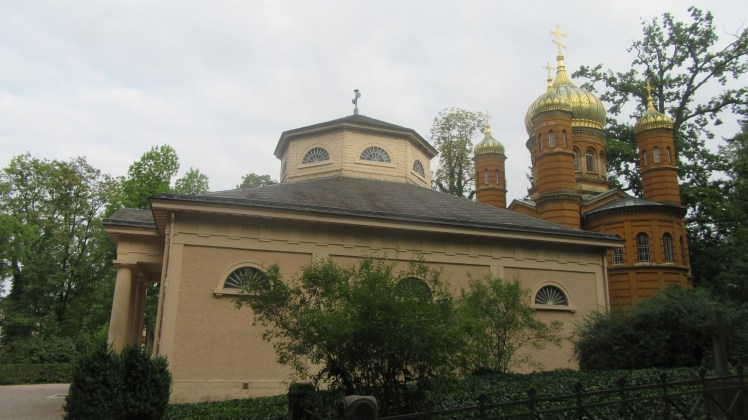
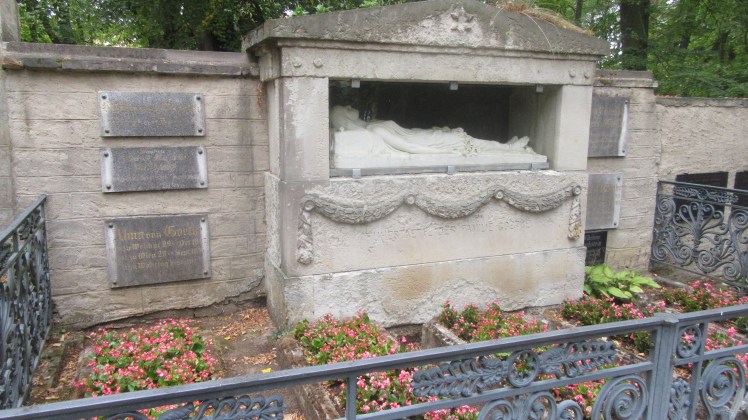
But anyways, the city has a nice old time charm. Not like one of those medieval villages, but it looks like an old turn of the 19th century town. Lots of stone block and brick work, especially in the main old town district. It took a little while to get here as I had to switch trains multiple times and my hotel is very far from the city center, so I didn’t have time for a lot when I finally got into the main part of town after checking in. After passing Goethe’s living house, (which was closed at the time) the only thing that was nearby was the Fürstengruft (Ducal Crypt), located at the top of a hill in a very old cemetery, which is attached to a new/modern one. The crypt of the Royal Family of Saxe-Weimar-Eisenach. It’s a very simple crypt as Grand Duke Carl August wanted it to be, saying that the grandeur and fanciness should be saved for the living. It has 33 coffins of the royal family, as well as the coffins of the authors Goethe and Schiller. It used to have more, but some were removed for various reasons. Both Goethe and Schiller were commoners by birth, but their works earned them an ‘ennobling’ by the dukes allowing them to add ‘von’ (from/of) in their name. Strangely, while Goethe’s remains are in the oak tomb, Schiller’s remains are absent. If I remember right, he was buried in a common area with many others, and the duke later decided he wanted Schillar buried as royalty, but this was many years later and the body was heavily rotted and so they were unable to determine which one was Schiller’s, so they just gathered a bunch of them and examined the skulls, and the duke decided the largest skull surely would have been Schiller’s. Recent DNA testing shows that none of the gathered skulls are actually his… Goethe was born 10 years before Schiller, and died nearly 30 years after Schiller, and was very distraught for a long time after Schiller’s passing, and he wanted to be buried with his friend. Or at least what he thought was his friend.
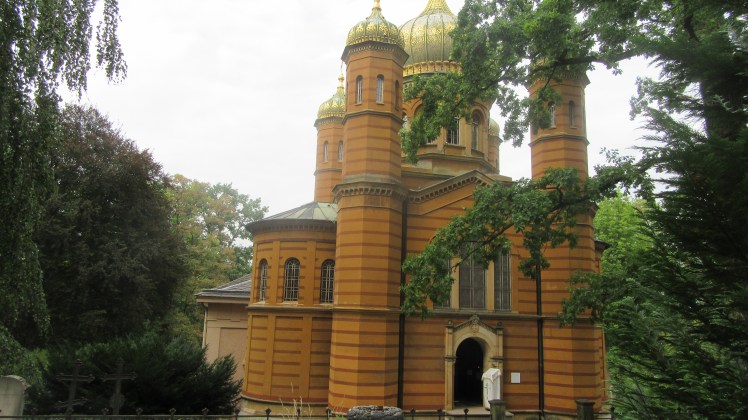
Attached to the crypt, shockingly is a large and fancy Russian Orthodox Church. Well, Russian born Grand Duchess Maria Pavlovna rests. She wanted to be buried in Russia, as well as next to her husband, so they had lots of dirt carted in from Russia, and there is a tunnel connecting the crypt to the church, which is still used, though it is quite small. Anyways…
After that I went to a funny restaurant called Mary’s American Diner, with a 1950’s American diner theme, and Americana decor. It was very expensive. That’s all I have to say about that.
After staying in Thuringia, this now makes only 1 more state out of the 16 total states in Germany that I have not yet visited… Soon.
No pictures for now, internet sucks! My room is the last one at the far end of the hallway and I have to stand near the elevator well for my laptop to pick up wifi. When I get back in my room it cuts out. I have tested this multiple times. My phone seems to pick it up… mostly fine though.
 jonsjourneythroughgermany.com