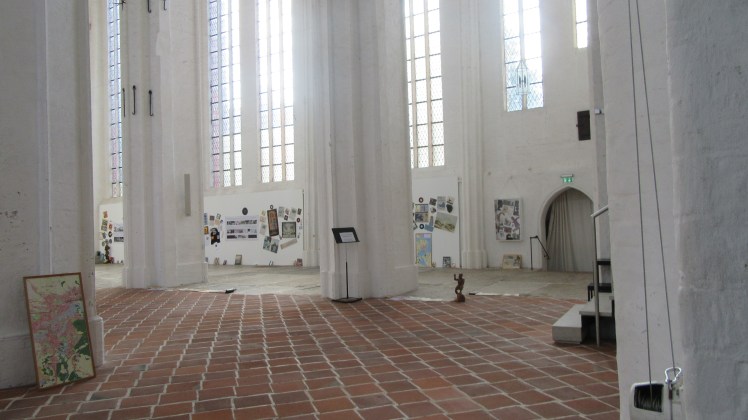
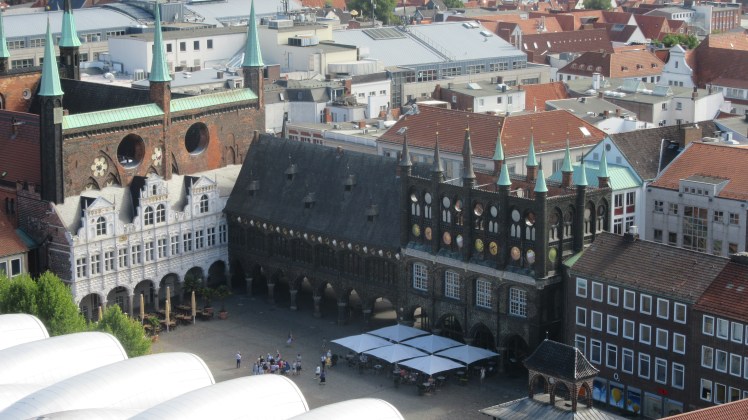
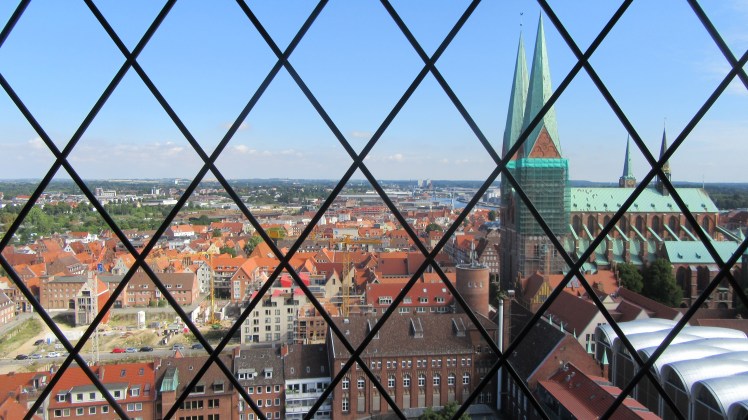
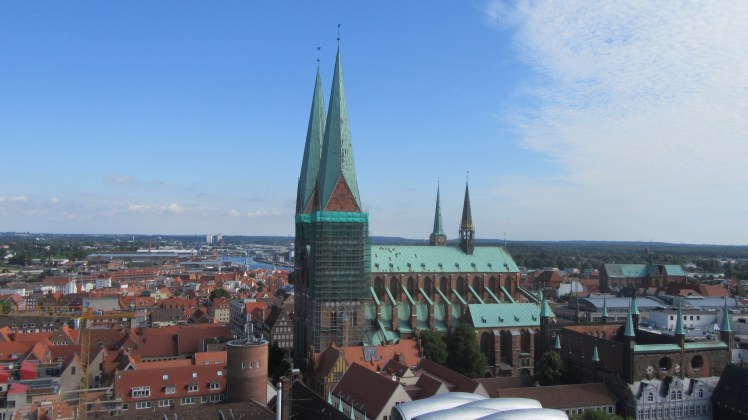
Well it was another fairly successful day! It started with a casual continental hotel breakfast, then off to some of the major churches in Lübeck. First was the St. Petri Kirche, or “St. Peter’s Church” which has a very high observation platform at the top of the tower giving a great view all over the old red town. There was a devastating fire early in the cities’ history, and after that, all the buildings were required to be made with bricks. The inside of the main church building was all bland and white, it is not used for services, and all the ground inside is now space for a less than exciting art exhibit.
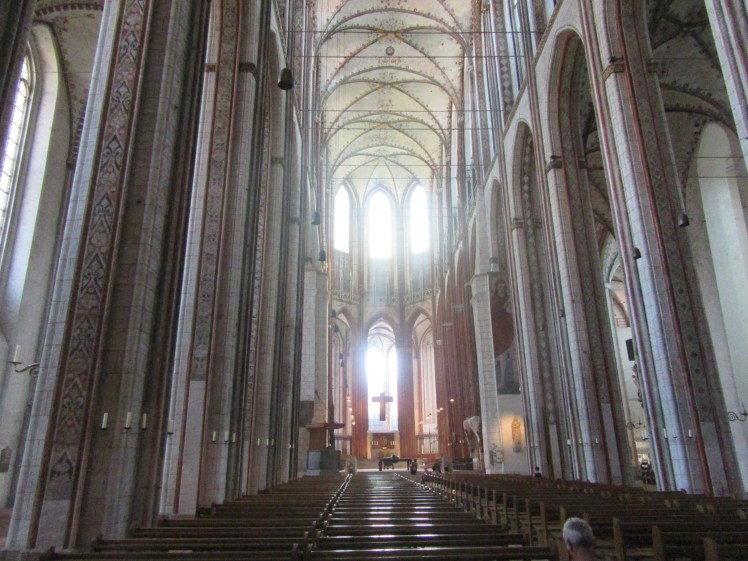
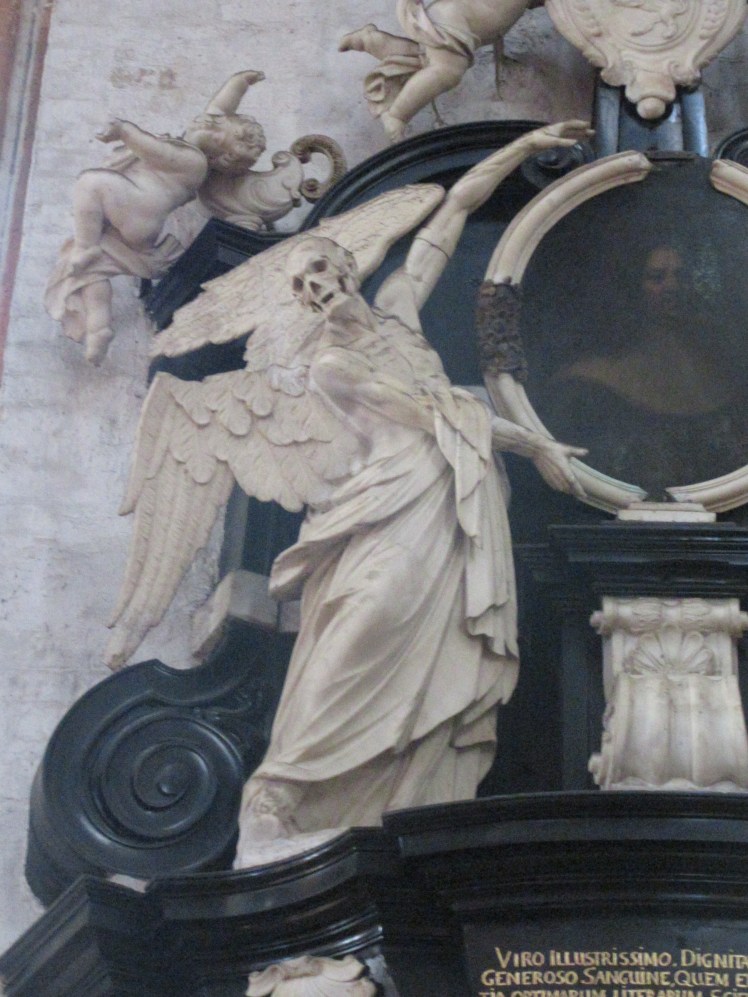
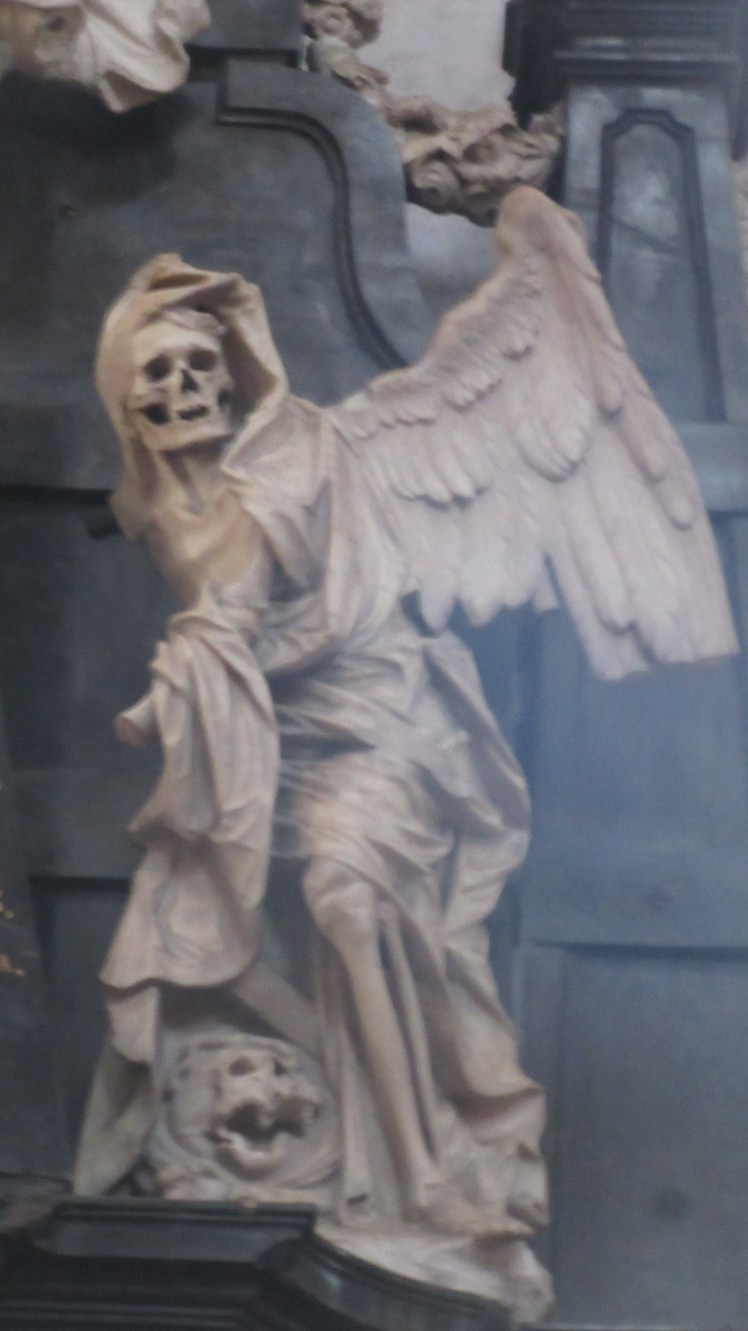
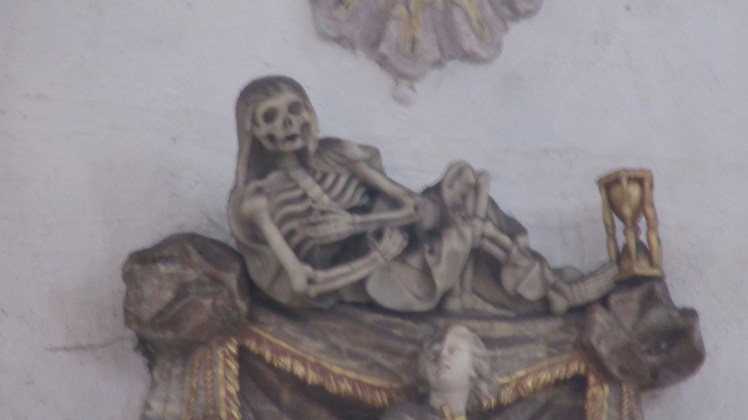
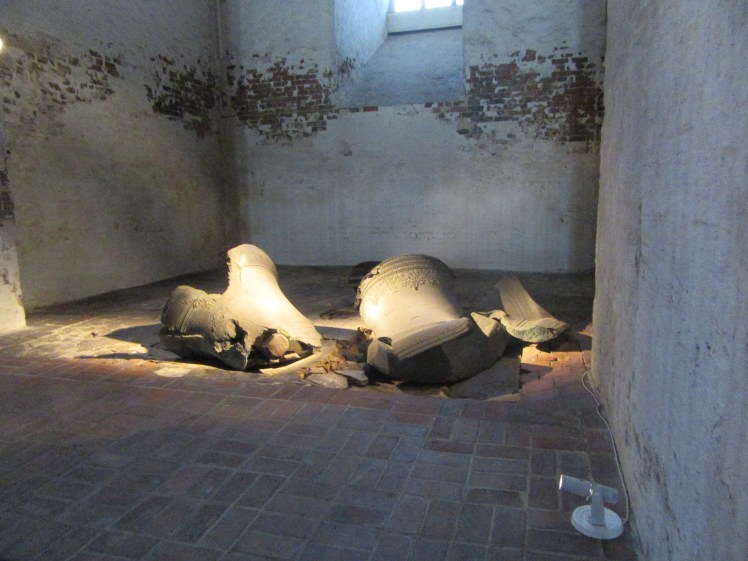
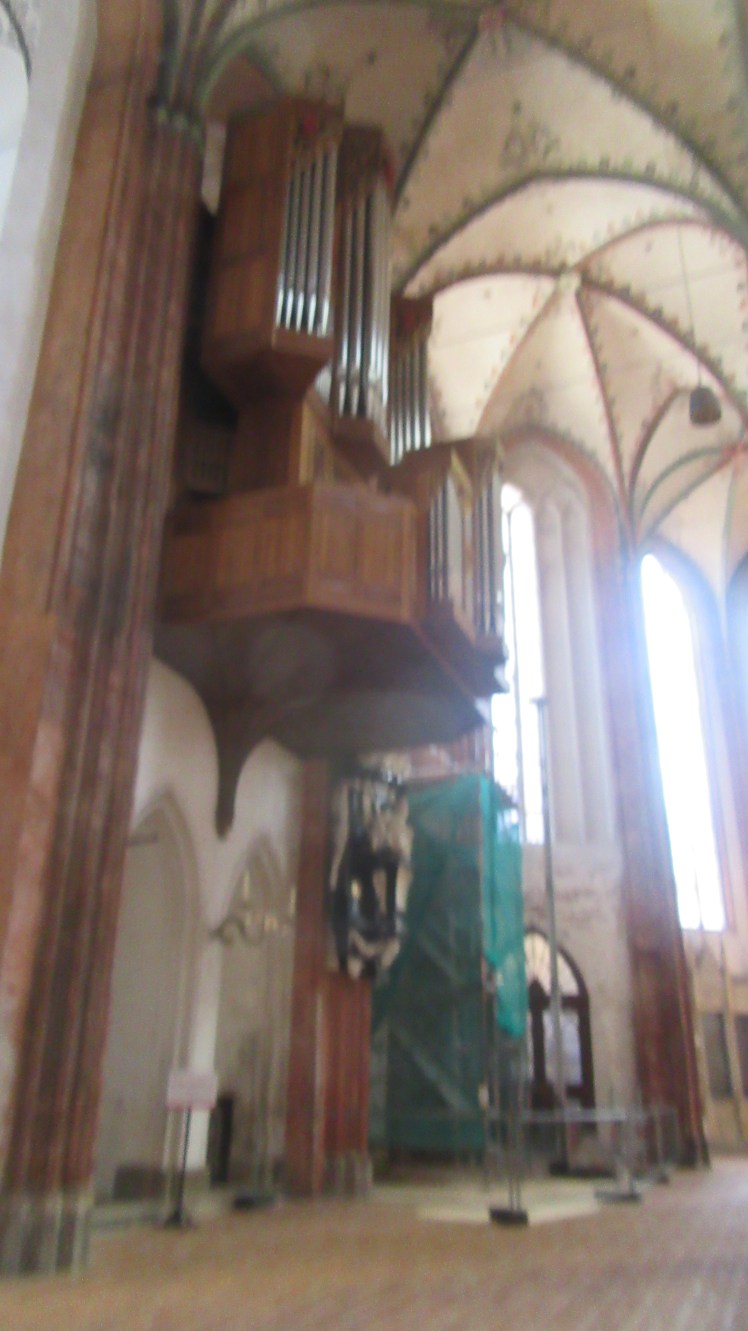
After that church, I was then off to the Marienkirche, or “Mary’s Church/Church of our Lady” This a really neat church, much larger than St. Peter’s Church. The inside is massive, and absolutely beautiful with paintings, artwork, big wooden panels, and carved stoneworks, many depicting really creepy withered skeletal angel figures. Inside the church was a really cool Astronomical clock.
“The astronomical clock’s massive faces show the time, date, location of the zodiac signs, and the positions of the Sun and Moon. The contraption was faithfully built in the 1960s by a local clockmaker named Paul Behrens. He considered the masterpiece to be his greatest achievement and maintained it up until he died.
Each day, when the clock strikes noon, a procession of eight little people meant to represent the citizens of the world passes before a figure of Christ, who then blesses them. Interestingly, the last date on the calendar dial of the clock is in 2080, though this most likely doesn’t mean anything.
The beautiful astronomical timepiece took the place of one that was originally built in the 16th century that, like many of the church’s other medieval artifacts, was ruined during World War II. Sadly, little of this clock remains, though the newer version is a simplified replica of it. The parading figures of the original clock were meant to represent the prince-electors from the Holy Roman Empire.
The astronomical clock is located within St. Mary’s Danse Macabre chapel, which was named for the stained glass, historic organ, and paintings that also stood there before being destroyed during the war.” Courtesy of copy+paste from https://www.atlasobscura.com/places/astronomical-clock-at-st-marys-church
Next was the cool Holstentor, (pictured yesterday, the gate house with 2 large conical black spires) In one side is a door into a cool museum that lets you walk through and learn about the history of of the city, and see some old artifacts. The gatehouse was built in the late 1400’s over about 15 years – ironically it’s defensive designs were already obsolete by the time it was finished. And for hundreds years it never saw any military purpose or defense until Napoleon came and took the city… and he came in through the Northgate. Holstentor is the west gate, so this was never really put to use.
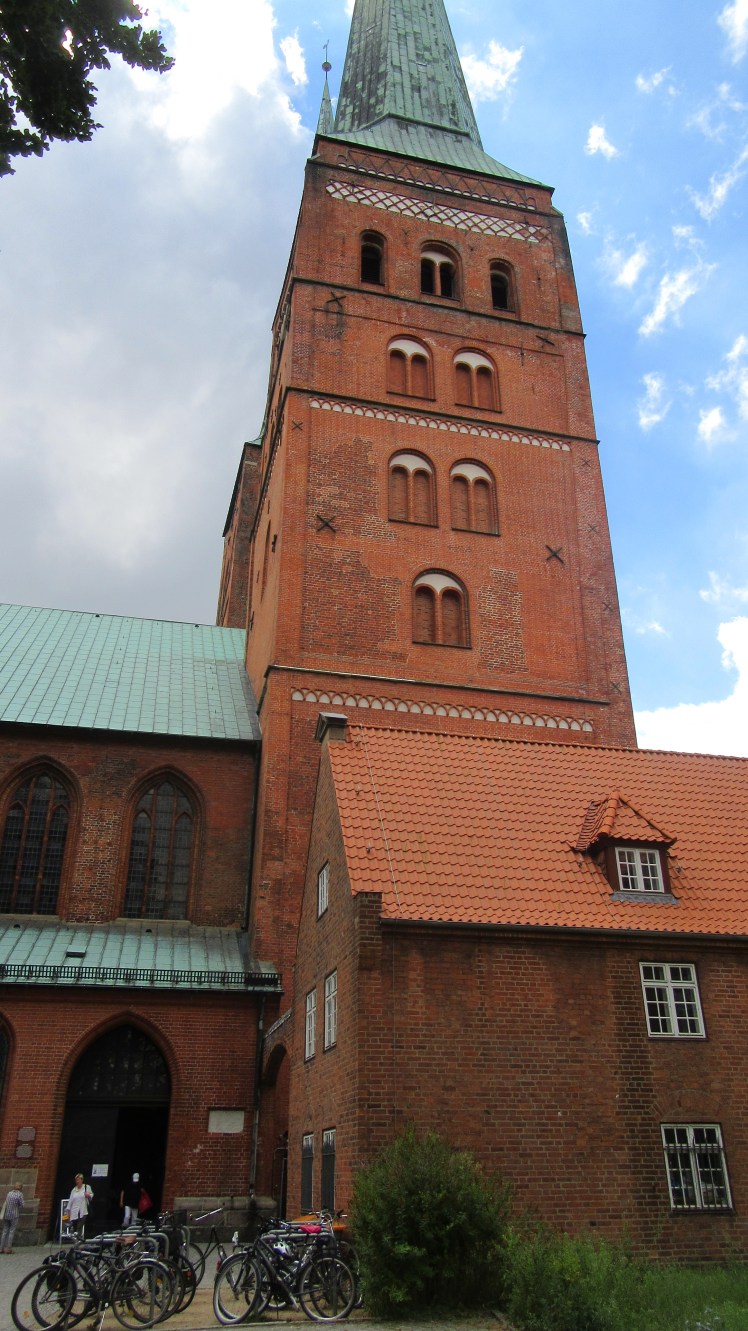
After the gate house, I went to the Dom zu Lübeck, or “Lübeck Cathedral” (Lotta churches today!) It was pretty large, and neat inside, but nothing really spectacular to look at either inside our out. It’s just really big!
After this I gathered my stuff and took a train further north to the city of Kiel. This is another big port town. After checking in, the first (and really only thing) I did was head up north a short ways to the “GEOMAR Aquarium” A small but nice aquarium – at least it was much nicer than the one on Borkum. On my way back I walked through a big shopping mall, that looks nearly identical to South Coast Plaza, at least on the inside, and just with more German stores and brands. It was pretty cool.
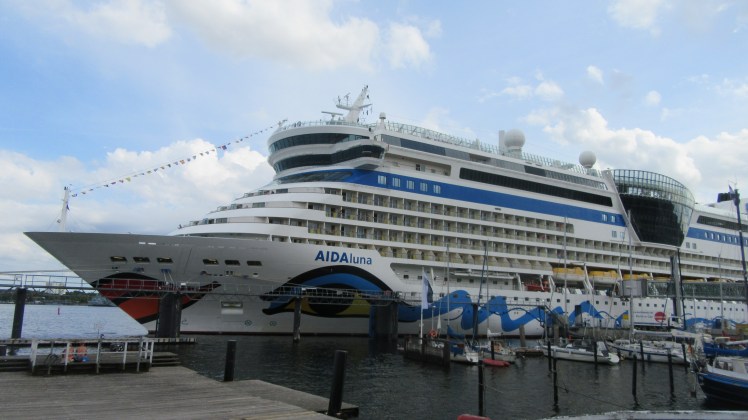
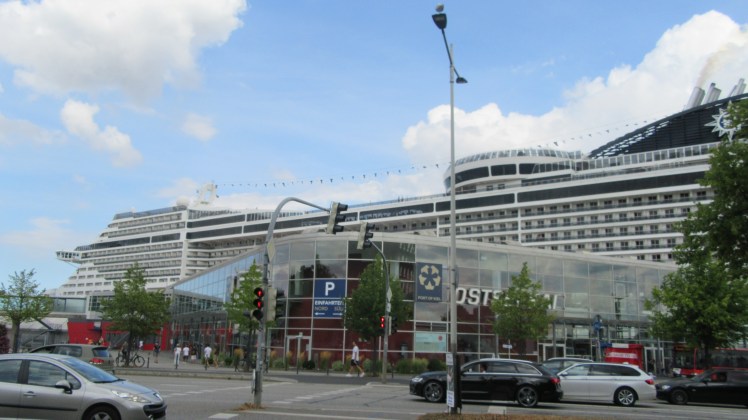
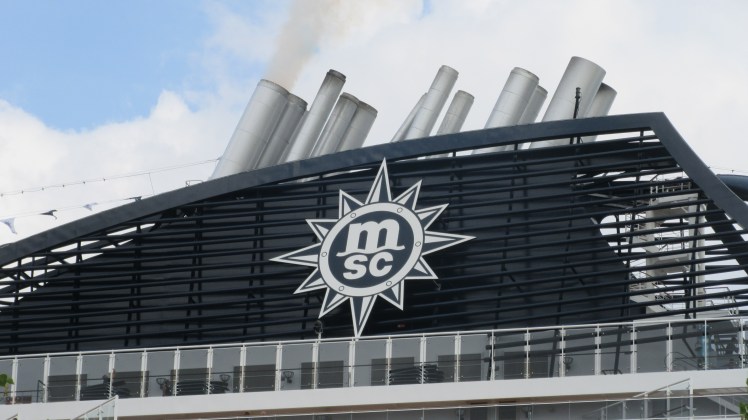
There also happened to be a couple cruise ships tied to the docks! A very large, nearly full size MSC ship called the Preziosa, and a AIDA (A German company) ship, which was much smaller called the luna.
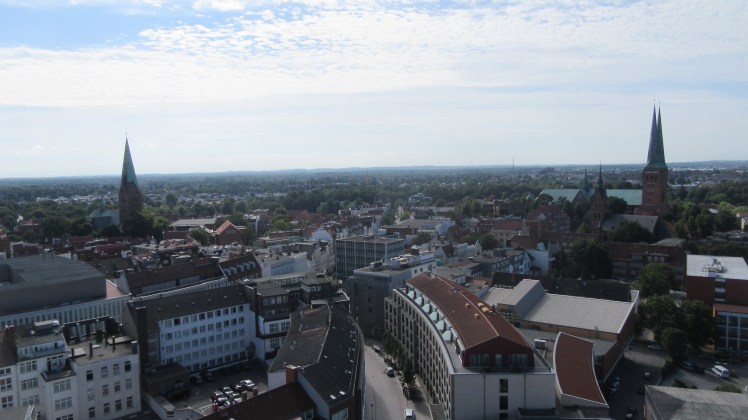
The Dom zu Lubeck on the right, and another church on the left.
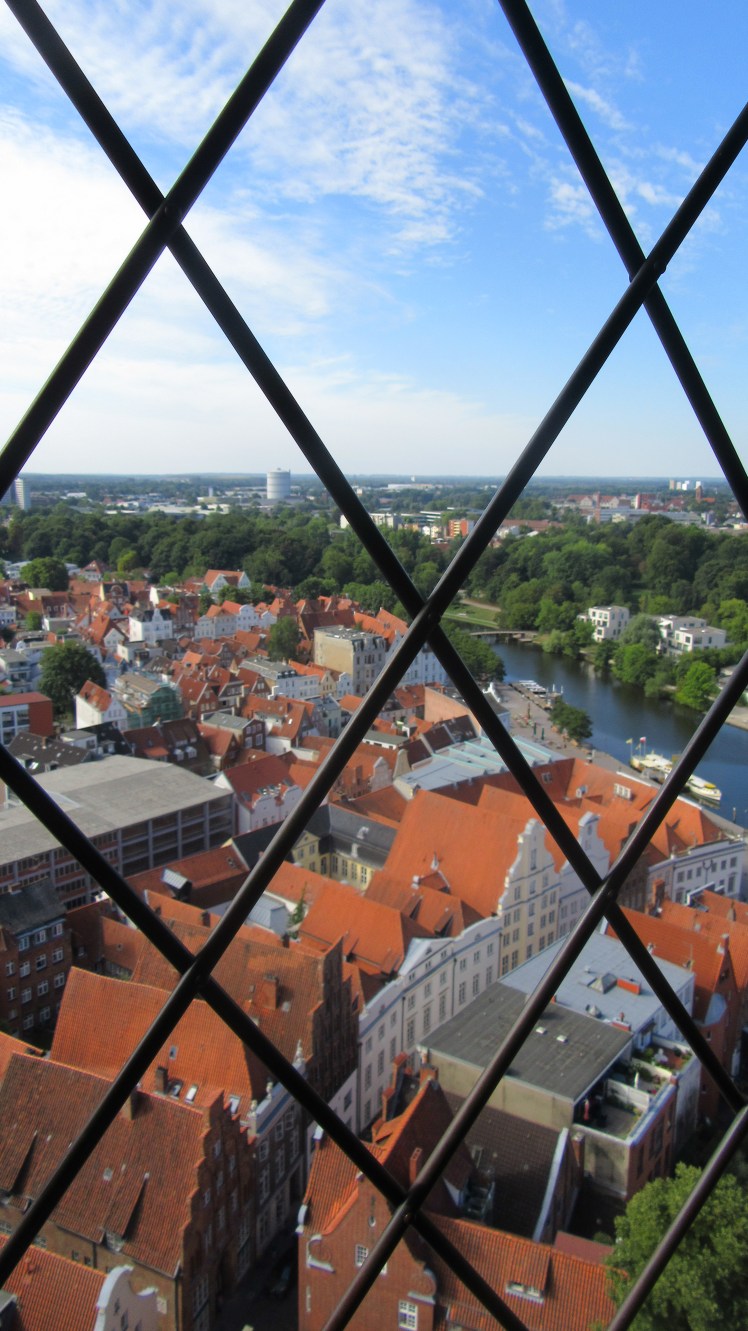
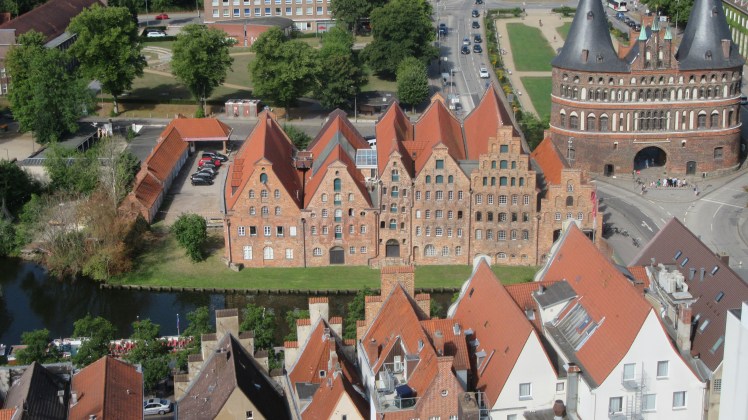
The Salzspeicher. Or where salt was stored for travelling.





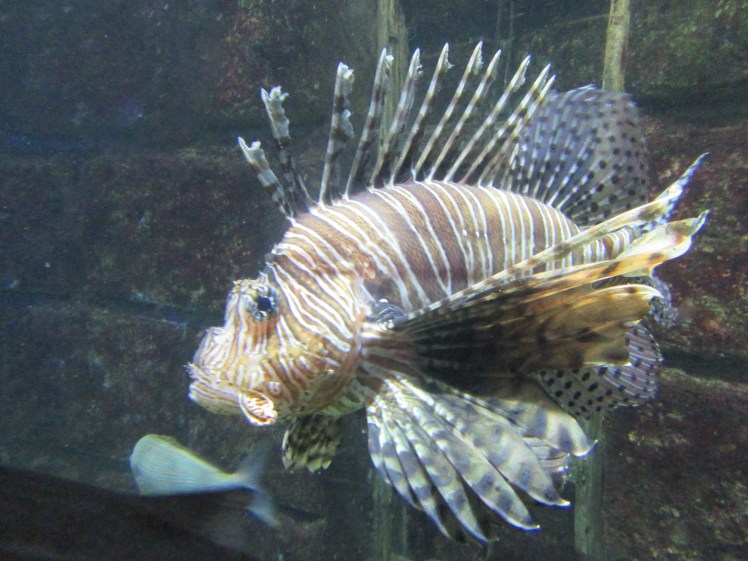
- A lion fish! In German they are called ‘Rotfeuerfish’ meaning red fire fish.
 jonsjourneythroughgermany.com