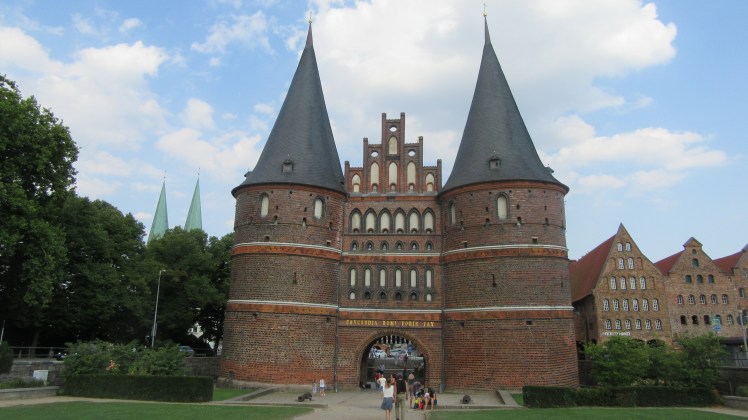
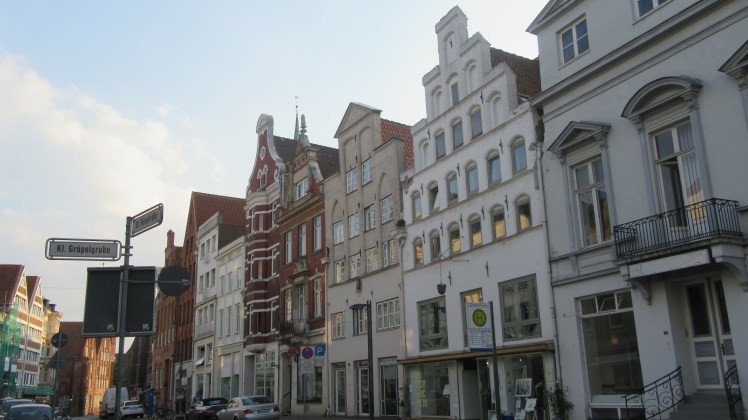
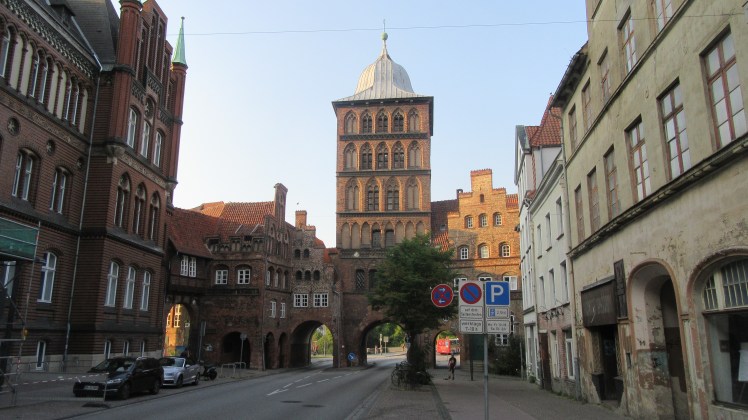
Today was mostly a long and boring travel day, and one of my trains was delayed by a whopping whole 5 minutes! It was horrible! Anyways, I got off the island of Borkum, this time taking a Katamaran, which is about twice as fast as the huge ferry I took to get there. Should’ve taken the Katamaran both ways! I took the boat from Borkem to the port of Emden, then switch to the train train to Bremen, then switched to the train to Hamburg, then switched there and took the train to my next stop, the old medieval town of Lübeck. It’s a neat, not quite port-town near the Baltic sea in the German state of Schleswig-Holstein. It’s a really neat town with a really cool old town center. The city was founded sometime before 1227, and many old structures remain. It was the capital of The Hanseatic League. More on that later if you’d like to read for fun history time!
Unfortunately there’s actually very little to do in the town, but there is a lot to see, so this is only a 1 night deal here in Lübeck. I did come across a music festival called Duckstein, where they set up a bunch of tents selling what looked like higher-end foods and beers. The music looked and sounded like an old 1950’s American/English casual rock band with saxophone, and it wasn’t super good, but it wasn’t bad either. That’s all I have to say about that.
Anyways, now if you wanna read some history about the Hanseatic League: ” [It was] a commercial and defensive confederation of merchant guilds and market towns in Northwestern and Central Europe. Growing from a few North German towns in the 1100’s, the league came to dominate Baltic maritime trade for three centuries along the coast of Northern Europe. It stretch from the Baltic to the North Sea and inland during the Late Middle Ages and declined slowly after 1450.
Hanse, later spelled as Hansa, was the Old High German word for a convoy and this word was applied to bands of merchants traveling between the Hanseatic cities, whether by land or by sea.
The league was created to protect the guilds’ economic interests and diplomatic privileges in their affiliated cities and countries, as well as along the trade routes the merchants visited. The Hanseatic cities had their own legal system and furnished their own armies for mutual protection and aid. Despite this, the organization was not a state, nor could it be called a confederation of city-states; only a very small number of the cities within the league enjoyed autonomy and liberties comparable to those of a free imperial city.” -Wikipedia
This is also where the airline company Lufthansa gets its name: Luft meaning air, and Hansa meaning everything I just coped down above.
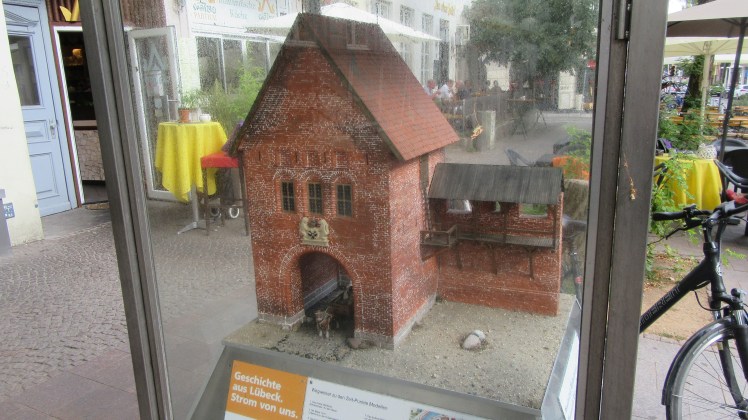
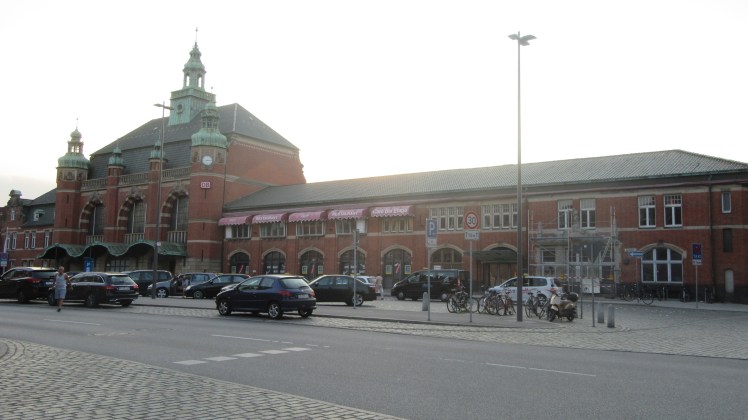
Picture time!



 jonsjourneythroughgermany.com
Thanks for the history lesson! Lubeck looks like a such a well preserved medieval town, amazing!
LikeLike