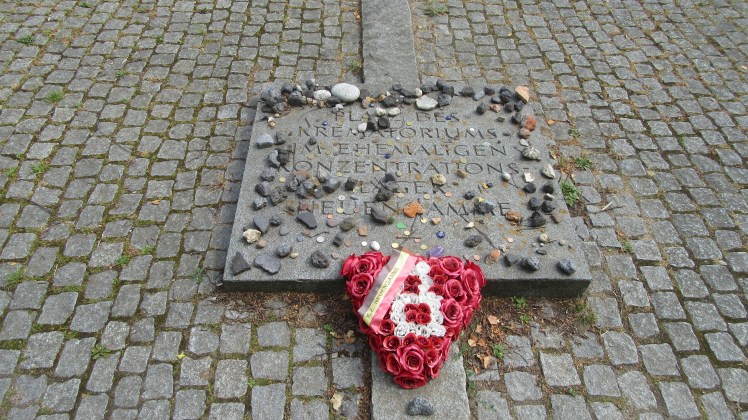
After a much needed late sleep in, and due to incredibly sore feet yesterday, I made today a short one. I walked the short distance from my hotel to the “Hauptbahnhof” (Main Train station) and got on the local train to the town of Bergedorf. Then from there I took a bus through rural backroads, by cornfields, cows, lakes and small cottages. A short while later I arrived at the small town/district of Neuengamme, part of the state of Hamburg. (Hamburg is a city-state in Germany) This zone is sadly known for it being the location of KZ Neuengamme, short for “Konzentrationslager Neuengamme” which was the “highlight” of the day. Also known as Concentration Camp Neuengamme. It was a work camp for all kinds of prisoners, many were Polish “untermenschen” and Russian POWs. It was constructed and operated by the SS from 1938-1945.
This is a camp where many of the prisoners were put to work to advance the German war machine. Several private companies acquired buildings in the camp, such as the company Deutsche Erd- und Steinwerke (German Earth and Stoneworks) which made bricks and concrete. The camp also had a plant for the gun manufacture Carl Walther GmbH on premises where prisoners were forced to make weapons. (Walther is still a major gun manufacturer today!) They operated under a (modern motto) of “Extermination through Labor” where they would be worked and overworked, and then overworked more until they died, and then would be replaced. Despite it being mainly a forced labor camp, with workers and manufacturers desperately needed, the conditions and suffering of the inmates was little different than any other camp. During its operation, approximately 20,400 prisoners did not survive. Nobody knows the number for sure, as as the war came to an end, the commandants ordered the destruction of as many records as possible. After the war, it served as a prison for its former commanders, run and operated by the British for a year years, then given back to the Hamburg authority, and run still as a prison until as recently as 2004. Though many of the original structures had been demolished and rebuilt long ago.
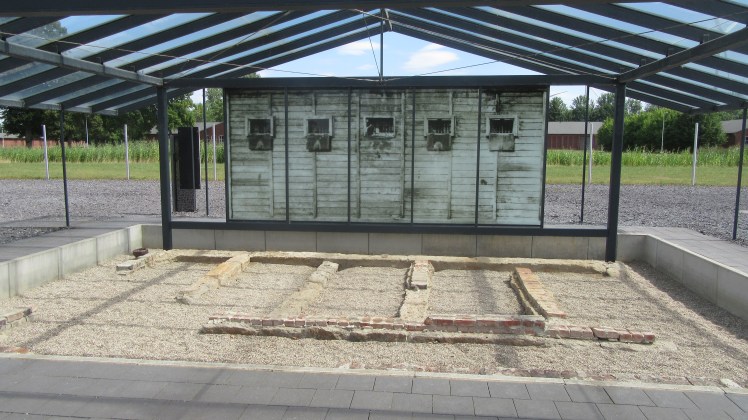
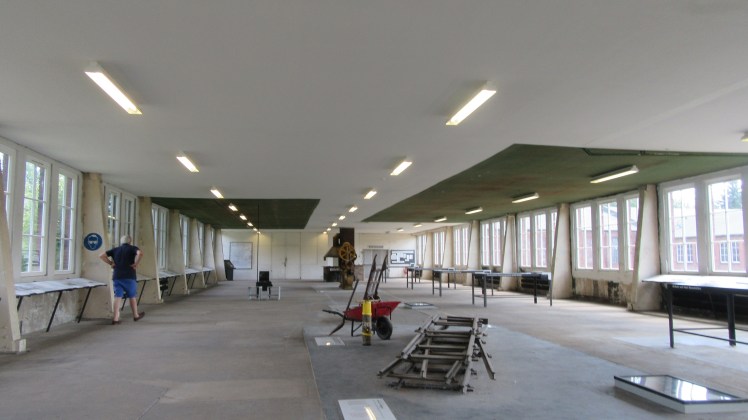
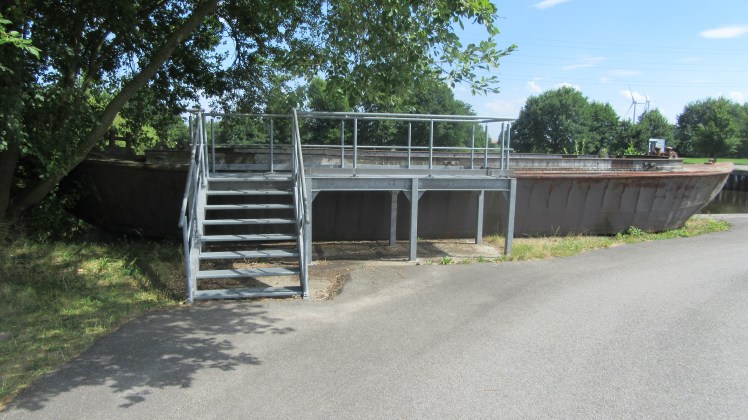
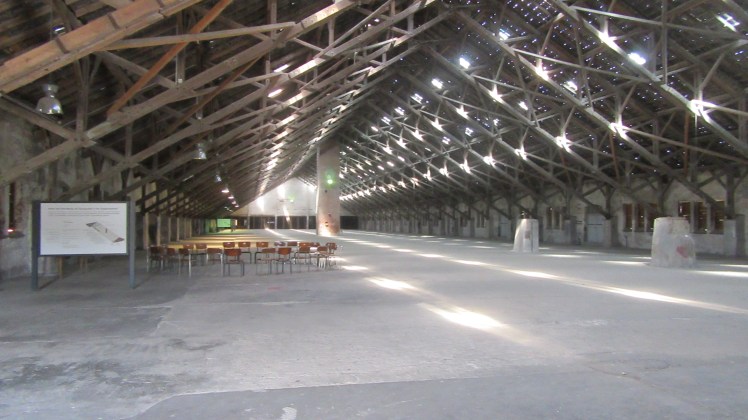
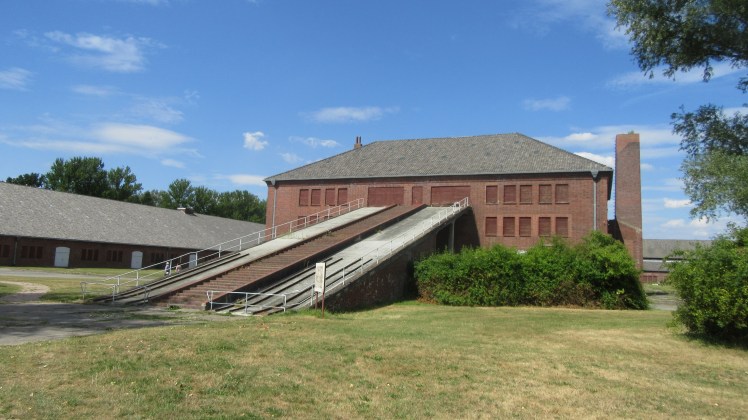
Much of the camp and walls have been torn down, and some main buildings still stand, and ruins of other buildings remain as rubble shaped in the form of where they once stood. There is still a train car, and a set of tracks (though not in the original location), an old decaying barge where materials were shipped up and down canals, and a large monument at the north end of the camp.
After this outing I headed back to my room, as the day was only getting hotter and hotter as time went on.






 jonsjourneythroughgermany.com